Selection of Inventory Materials (Stainless Steel Racks, Aluminum Canisters, etc.) for Cryogenic Storage
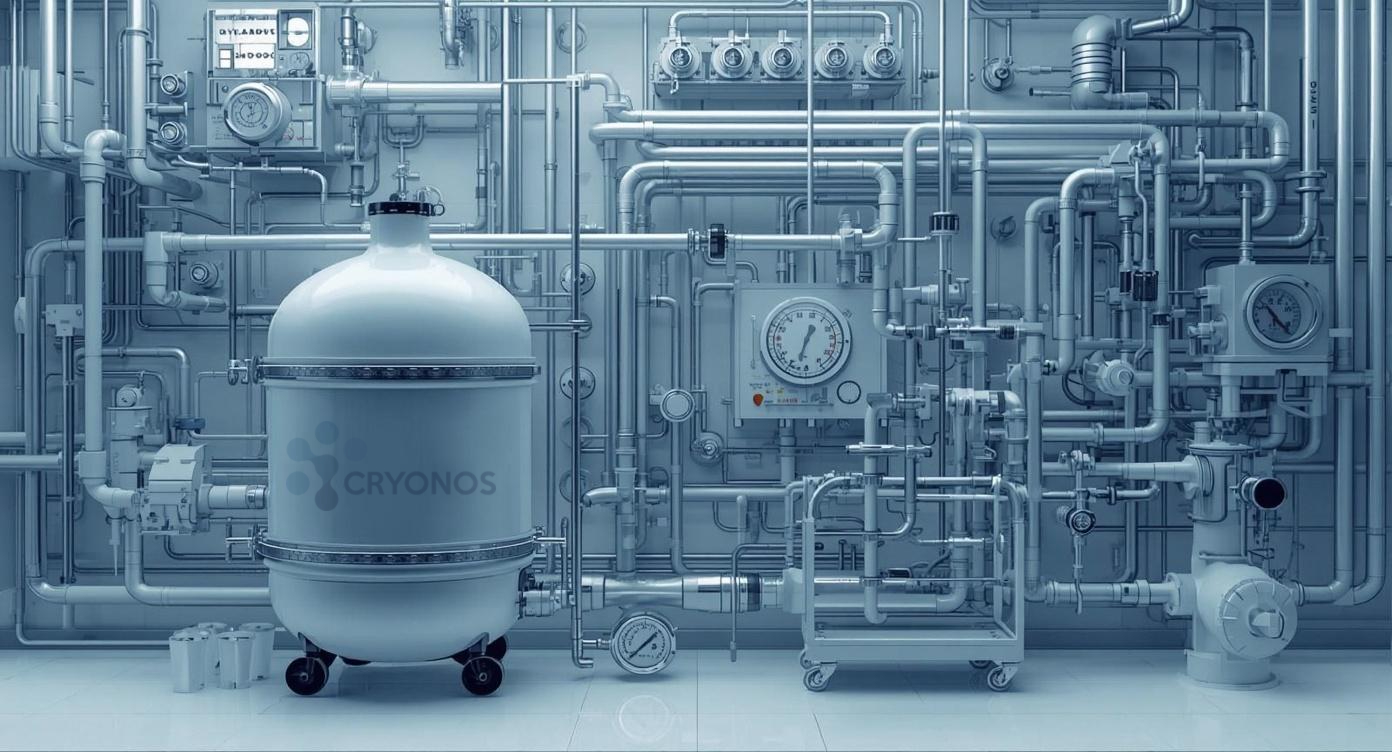
Cryogenic storage is vital for the long-term preservation of biological materials at low temperatures. This storage method is used in a wide range from hematopoietic stem cells to laboratory samples. However, the inventory materials used in this process can have a direct impact on the safety and viability of the materials. Therefore, the correct selection of inventory materials for cryogenic storage is of great importance.
1. Strength and Durability of Stainless Steel Racks
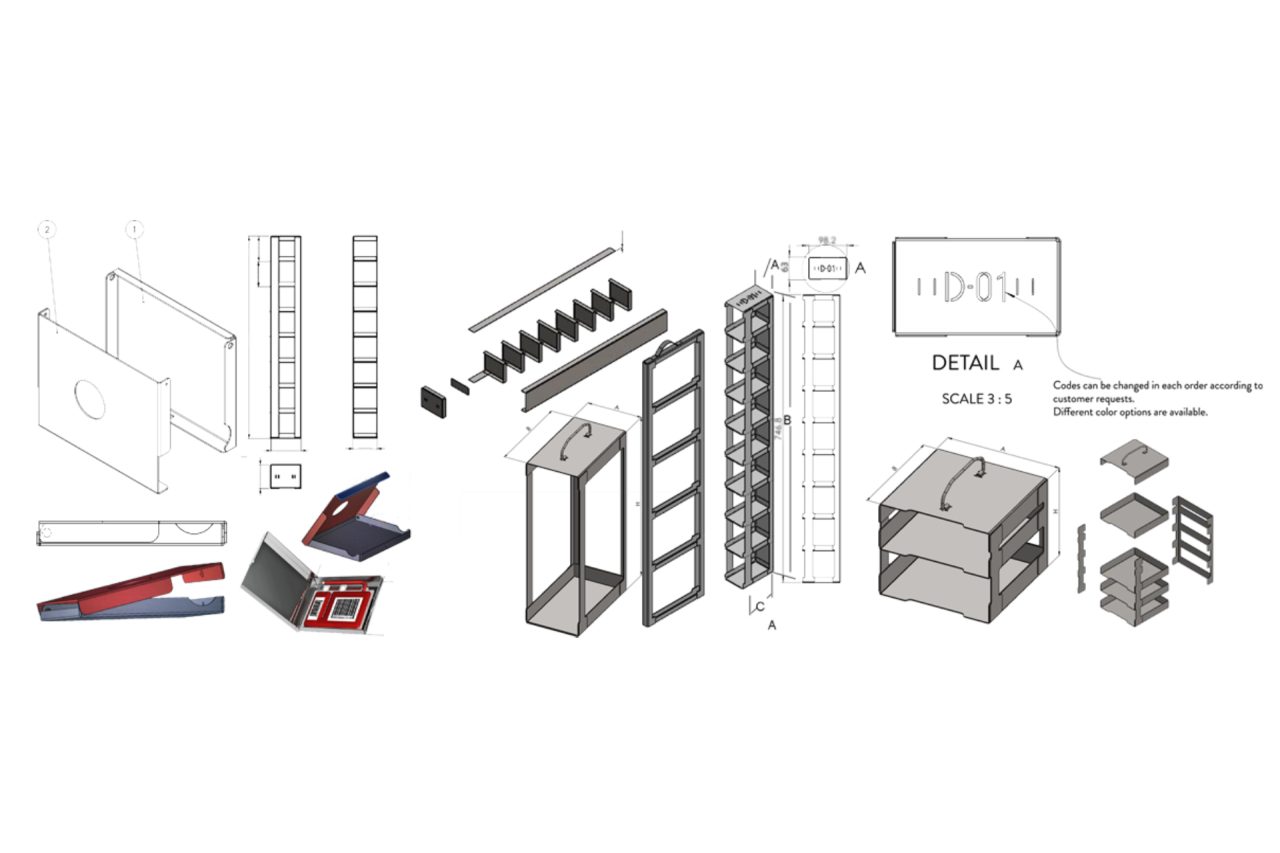
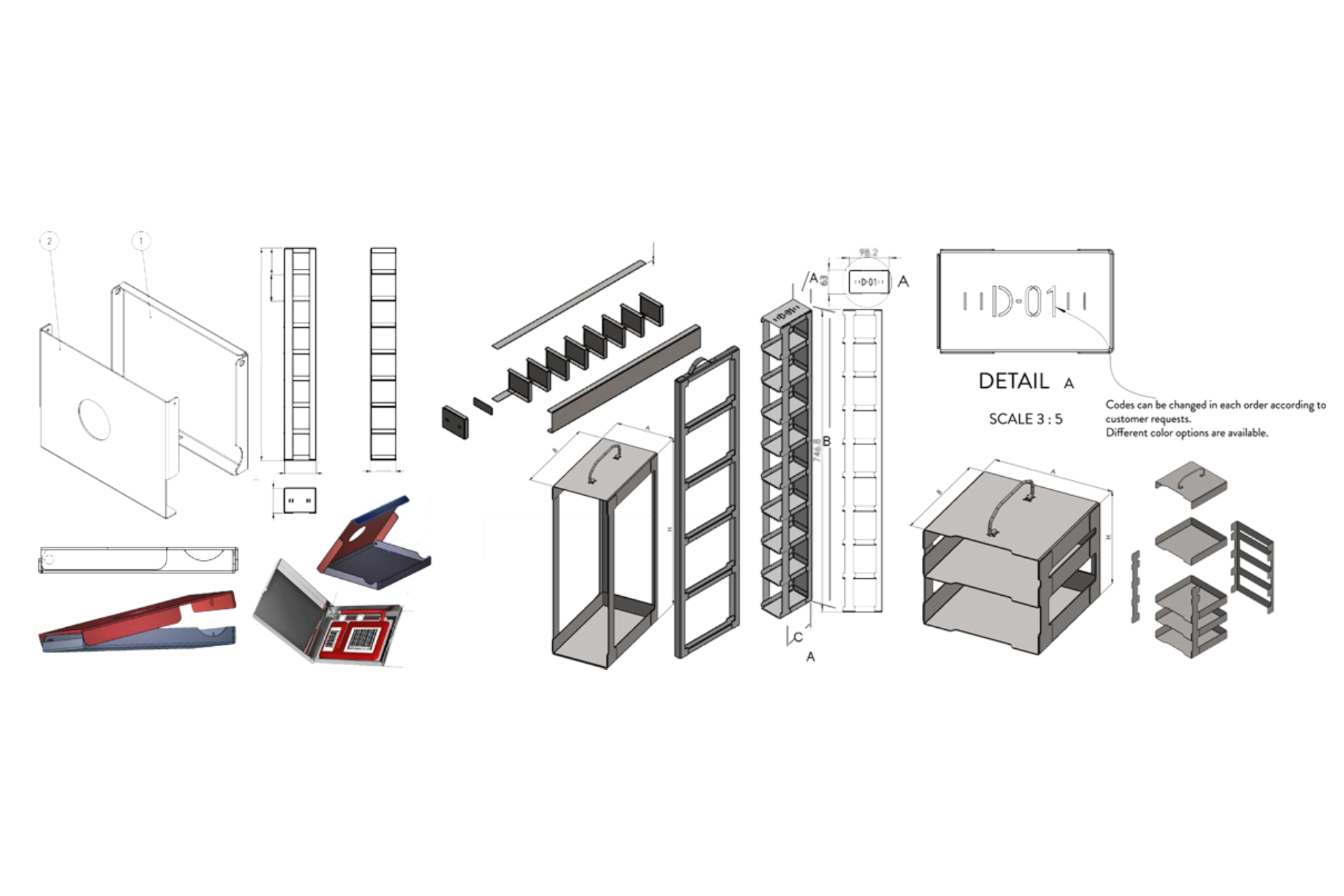
Stainless steel racks are frequently used in cryogenic storage systems for the safety and stability of the samples to be stored. Stainless steel is an excellent choice due to its high durability and low thermal conductivity. These racks ensure that samples are stored safely without being exposed to critical temperature fluctuations.
2. Thermal Conductivity of Aluminum Canisters
Aluminum canisters used on stainless steel racks help transmit low temperatures like liquid nitrogen quickly. Aluminum ensures rapid equalization of temperatures with its high thermal conductivity feature. This increases the efficiency of cryogenic storage systems and protects the stability of the samples.
3. Scope and Limitations of Cardboard
Although Cardboard occasionally appears as a preference for cryogenic storage, it is not common. Aluminum canisters are generally used to minimize the risk to cell viability and not to increase the risk of contamination. These materials, which are better heat conductors, ensure homogeneous heat distribution and eliminate the contamination risk that cardboard’s potential to absorb water from capillary scratches and moisture retention could create, even if coated.
4. Liquid Nitrogen Jacketed Freezers and Overwrap Usage
In cryogenic storage systems, dry phase freezers without liquid nitrogen vapor are preferred. Additionally, the use of overwraps in blood bags reduces the risk of contamination and minimizes mechanical stress. These factors ensure that samples are stored safely and effectively.
You can check our blog post for more detailed information on the Effect of Liquid Nitrogen Jacketed Freezers and Overwrap.
5. Control of Environmental Conditions
In addition to cryogenic storage systems, controlling environmental factors is also very important. Meticulous monitoring of temperature, humidity, and other environmental conditions preserves the viability of samples and ensures the reliability of data. In conclusion, the correct selection of inventory materials for cryogenic storage has a major impact on the safety and viability of samples. The selection of stainless steel racks, aluminum canisters, and the appropriate freezer type is the key to a successful cryogenic storage process. Considering the advantages and limitations of each material, selecting the most appropriate inventory materials supports the success of scientific research and medical applications. As Cryonos, we are proud to offer you our experience and services in cryogenic storage. We always aim to provide the best service and contribute to future healthcare services by bringing science and technology together.